
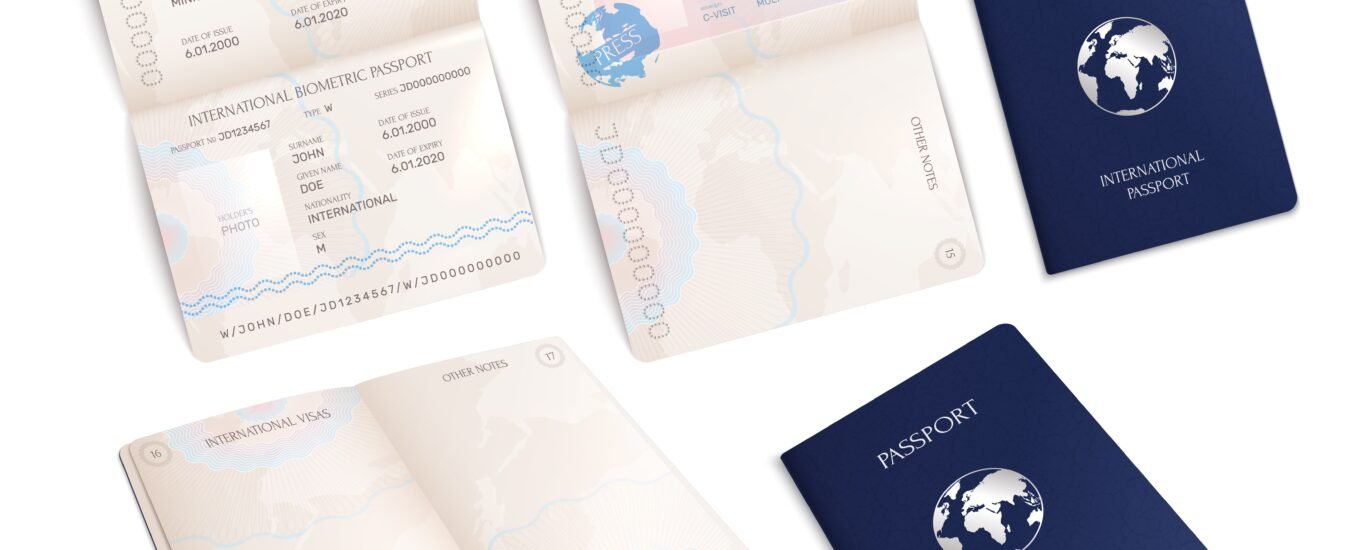
The world is big, beautiful and waiting to be explored. You have your budget in hand, your itinerary booked, and your bags practically packed. But before you are on your way to board that flight to your dream destination, there is one crucial gatekeeper you have to cross. The tourist visa.
The visa application seems to many travelers like an impossible labyrinth full of legal terms, unwieldy paperwork and confusing paperwork. Getting a tourist visa, however, need not be a stressful ordeal. Whether you’re headed to the historic streets of Europe, the beaches of Bali or the skyscrapers of New York, the nuts and bolts of visa approval are shockingly similar worldwide.
This step-by-step guide is your universal formula for cracking the visa code and passporting your way to the world.
Step 1: Decrypt your destination’s visa requirements
Before printing your first document, find out exactly how your destination treats your passport. Overall we identify four broad types of global tourist entry:
- Easy Visa-Free Entry: Land, get your passport stamped, and walk out.
- Visa on Arrival (VoA): You pay a nominal fee and fill a basic form at the airport on arrival. • Electronic Visa (e-Visa): An electronic visa that you apply for on-line before you travel.
- Sticker Visa: The most rigorous process, requiring the submission of physical documents or an interview at the embassy.
Check the official site of the embassy or consulate of the country you are going to, to know which rule applies to you. For this first step, don’t go to third-party blogs – immigration rules change quickly and only official sources count.
Section 2: The Core Four: Gather the Must-Haves
No matter which country you wish to apply for immigration, every immigration official anywhere across the globe will always look for the “Core Four”.
- Valid Passport: A passport ought to be valid for the next six months after leaving the nation and should have at least two blank pages.
- A Distinct Itinerary is a Necessity: The embassies dislike matters being vague or unknown. You must present to them a trustworthy and plausible travel program which matches your flight schedule.
- Evidence of Returning: It is crucial to show that you want to come back. Booking a round-trip flight is a must from which they can conclude your intention.
- Demonstrating Financial Capability: It is essential to ensure that you will be able to support your day-to-day necessities overseas without being involved in illegal work. You can provide bank or credit card statements or tax return letters.
Step 3: Show Your "Essential Connections" to Your Home Country
This is the tricky step where most applicants fail in acquiring their visa. The visa officials consider that unless you prove them wrong, they presume you intend to violate immigration law and migrate illegally.
In order to convince them otherwise, you need to indicate that you have established significant social and economic ties with your home country.
- In case you are employed: you need to produce the official No Objection Certificate (NOC) or Leave Approval Letter from your employer along with the payslips from your salary for the recent period.
- In case you are a businessman: you need to provide the documents of registration of your company, bank statements of your company, and tax returns.
- In case you are a property owner: Land deeds or certificates of property valuation are good proof of your intention to return home.
Step 4: Obtain Your Safety Net (Travel Insurance)
In many places, particularly in the Schengen Zone in Europe, travel insurance is a legal requirement. Although a certain country may not require travel insurance, having insurance that covers medical emergencies, cancellations, and lost baggage indicates to the visa officer that you are a smart, independent traveler who will not be a burden to their healthcare system.
Step 5: Finish Carefully and Submit
You need to complete the application accurately and honestly, regardless of how you apply for it. A simple mistake like incorrect passport numbers or date would lead to immediate rejection of the application.
Please ensure the names are identical to those in the passport. If a question does not pertain to you, always write “N/A” instead of leaving a question blank.
Step 6: Understand the VFS Appointment or Embassy Interview
In case of obtaining conventional sticker visas, it is probable that you must fix some kind of appointment through a processing agency like, for instance, VFS Global, or you are to officially apply at the embassy.
- Prepare your papers: Compile them into a neat folder folder in the order given by the embassy checklist.
- Dress appropriately: The first impression enables a successful visa interview.
- Be honest: If being asked about the reason for your visit, just state it clearly. Do not hide that you have relatives in the target country; embassies have sophisticated tracing systems, and being dishonest leads to being blacklisted instantly.
Conclusion: One Must Be Patient
After you submit your visa application, the period of waiting will start. Processing time differs greatly depending on the type of visa one applies for, e.g., e-Visas take around 48 hours while complicated travel visas may take up to 15-30 business days. It is recommended not to buy any non-refundable flight tickets or accommodation until the visa is granted.
Obtaining a travel visa is not a matter of luck. Instead, it is an honest presentation of the traveler’s intention. By following the aforementioned recommendations, one may easily get through the nightmare of red tape! Getting a Tourist Visa for all countries in Ludhiana has become completely free of hassles because of help from expert local consultants who do all work from gathering required documents up to the submission to the embassy.
Frequently Asked Question:
Q1: How long is the processing time for a tourist visa in The Dream Study?
A1: The time spent on processing varies between 24 to 72 hours for e-Visas issued in an electronic format, while for a typical sticker visa it can take 15 to 30 business days.
Q2: Is it true that I can apply for a tourist visa without even making reservations on my flights?
A2: In most cases the consulates ask for confirmation of return; however, you can use valid flight itineraries that can be verified and reservation tickets instead of buying non-refundable tickets.
Q3: What are the most common reasons why tourist visa applications are denied?
A3: Insufficient funds, absence of documents proving any connection to one’s home country, and poorly organized hotel bookings are the most widespread causes of visa denial.
Q4: Is travel insurance necessary in all countries?
A4: Travel insurance is compulsory only for travel to certain areas such as the Schengen Zone, whilst in most other areas it is a good idea to have it to prove that a traveler will be able to cover emergency expenses.
